Every year begins with big plans: more training, better nutrition, a healthier lifestyle. Motivation is high, goals are clearly defined. But after just a few weeks, a familiar pattern emerges: everyday life takes over, resolutions fade into the background, and the initial euphoria dissipates.
The crucial difference between short-term activism and long-term success lies not in motivation, but in clear routines. Those who understand how habits work and how to build them systematically increase their chances of achieving their New Year's goals permanently.
Why motivation alone is not enough
Motivation is an emotional state. It fluctuates and depends on sleep, stress, mood, and external circumstances. Especially in the fitness and health sector, many rely too heavily on this short-term high.
Routines, on the other hand, function independently of motivation. They reduce mental hurdles and make healthy choices the norm. Those who don't have to decide anew every day whether to exercise or eat healthily save energy and remain consistent.
Routines as the foundation for sustainable success
Successful routines are simple, clear, and realistic. They fit into everyday life and can be implemented even on stressful days. Especially at the beginning of the year, it makes sense not to change everything at once, but to proceed step by step.

- Fixed training days instead of spontaneous sessions
- Same mealtimes
- Preparation instead of improvisation
- Clear priorities in everyday life
This structure ensures that progress becomes measurable and repeatable.
Training as a constant in everyday life
One of the most common New Year's resolutions is to exercise regularly. The mistake often lies in viewing exercise as an optional part of the day. Successful athletes treat training like a fixed appointment.
Whether it's three short sessions per week or a clear weekly plan – consistency is key. Consistency beats intensity, especially in the first few months of the year.
Nutrition: Routines instead of deprivation
Many New Year's resolutions regarding nutrition also fail due to overly high expectations. Radical diets or complete prohibitions are rarely successful in the long run. It is more sustainable to establish simple routines that reliably nourish the body.
One of these routines is ensuring adequate protein intake. Protein supports muscle maintenance, regeneration, and a long-lasting feeling of satiety. However, especially in our stressful daily lives, it's difficult to meet our needs solely through regular meals.
Easily solve protein intake problems in everyday life
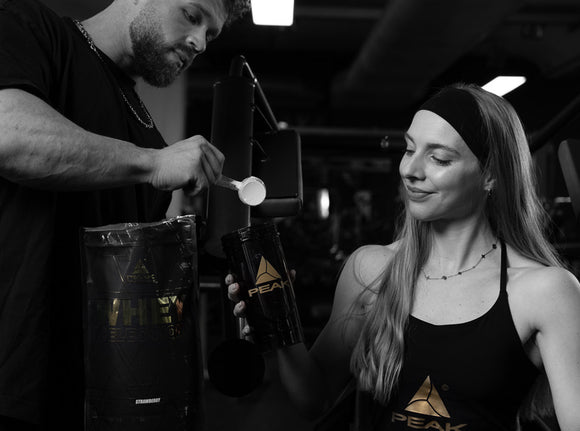
Protein shakes offer a practical solution here. They are quick to prepare, easy to plan, and can be easily integrated into existing routines. PEAK's Delicious Whey is particularly popular and can be used both after training and as a snack between meals.
Its good taste and solubility make it easier to maintain a consistent daily protein intake. This consistency is crucial for ensuring progress over weeks and months.
Making habits measurable
Routines are most effective when they are verifiable. A simple training log, fixed mealtimes, or weekly goals help to keep track of progress.
Small successes are motivating and help to solidify routines. People who see progress are more likely to stick with it – even when their initial motivation wanes.
Setbacks are part of the process.
No year is perfect. Illness, stress, or work obligations can disrupt routines. What matters is not the setback itself, but how we deal with it.
Successful people quickly return to their routines after interruptions without questioning everything. This is precisely where the difference between short-term resolutions and long-term success becomes apparent.
New Year's Day as a starting point, not a deadline
The turn of the year offers an ideal opportunity for change, but it shouldn't be seen as a time constraint. Routines take time to establish themselves. Patience and realistic expectations are crucial.
Those who systematically structure their training, nutrition and regeneration create the foundation for sustainable progress – not just until spring, but throughout the entire year.
Conclusion
New Year's resolutions rarely fail due to a lack of willpower, but rather due to a lack of structure. Routines make the difference between good intentions and real results.
With clear training schedules, simple eating habits, and practical solutions like Delicious Whey, everyday life can be managed efficiently. Establishing routines not only helps you reach your goals, but also maintain them long-term.
TEAM PEAK